








Packing for Comfort and Changing Weather
Mountain days can pivot from sunlit warmth to brisk wind. Pack a compact shell, insulating mid-layer, hat, and gloves even in July. Add a small first-aid kit, blister care, and a collapsible bottle. Keep your daypack ready under-seat so guides can whisk you from rail to trail without fuss, preserving minutes for surprise viewpoints and those unrepeatable beams of light.
Flavors of the Rockies
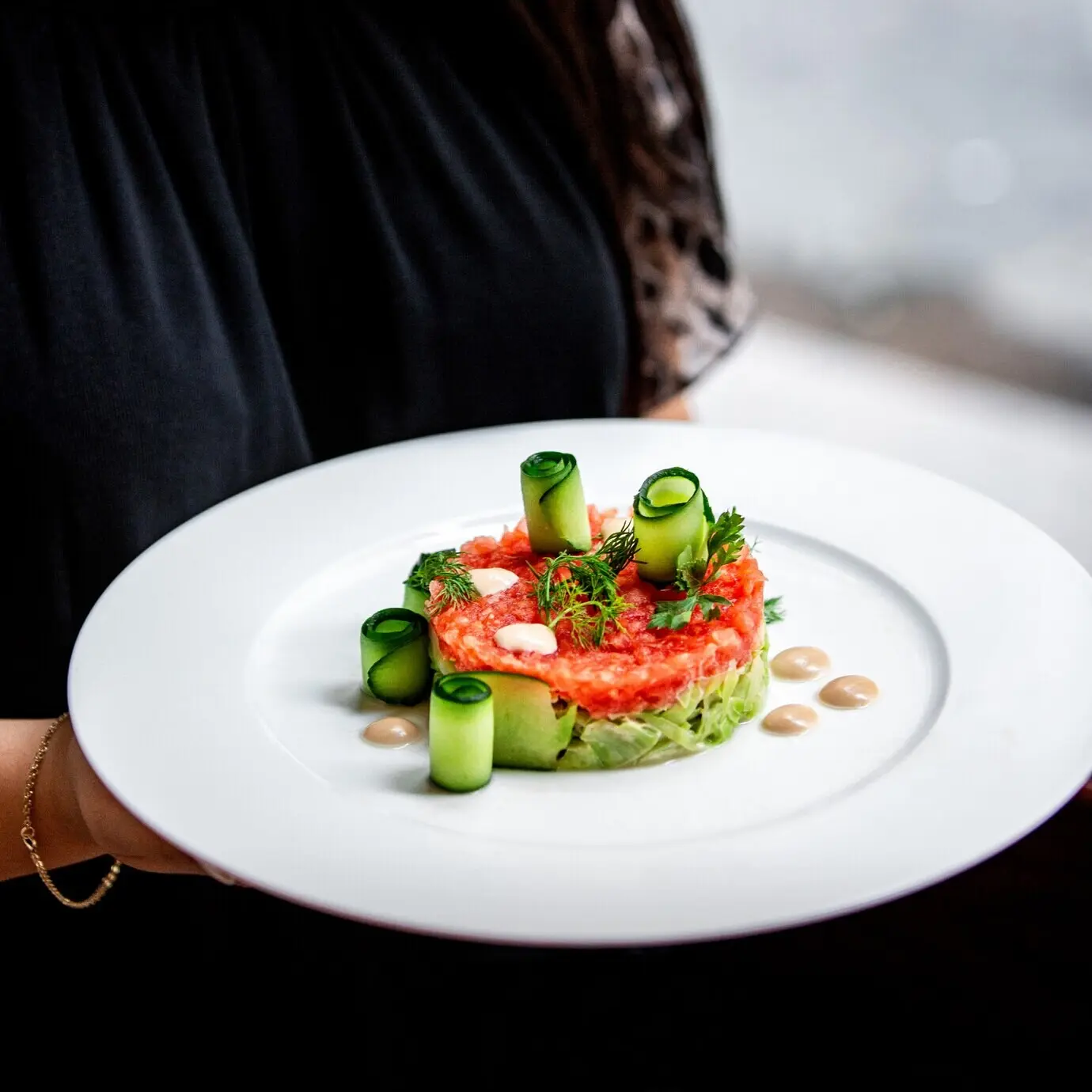
Savor regional ingredients on board and in Jasper: Alberta beef, bison stews, local mushrooms, berry-forward desserts, and bright coffees roasted to match crisp morning air. Ask guides for independent favorites tucked off main streets. Meals become memory anchors—comforting bowls after a canyon walk, picnic cheeses beside a mountain river—culinary punctuation that keeps the story lively, rooted, and deliciously shareable with companions and new friends.
Pacing, Sleep, and Altitude
Jasper’s elevation is gentle enough for most, yet pacing still matters. Hydrate, stretch during rail pauses, and resist overscheduling your first hours off the train. Sleep arrives easily when days feature fresh air and measured activity. Guides watch group energy, spacing stops so excitement never slips into fatigue, leaving you restored—ready for tomorrow’s lake, canyon, or wide valley where clouds move like sails.