
Ride the Rails to Living Indigenous Culture
Settle into a window seat and discover how cross-country rail links open doors to Indigenous-led cultural experiences accessible by train across Canada. Meet Knowledge Keepers, artists, and food innovators steps from stations, and plan meaningful encounters that honor local protocols, support community ownership, and turn every stop into a heartfelt learning moment.
Where the Tracks Meet Living Traditions
Canada’s rail corridors thread through ancestral homelands where stories, languages, and ceremonies continue with strength. From large urban Friendship Centres to small community-led gatherings, travelers arriving by train can step into guided learning, respectful celebration, and contemporary Indigenous creativity without rushing or losing sight of place.
West Coast Gateways
Arrive in Vancouver’s Pacific Central Station and connect by transit to experiences led by Musqueam, Squamish, and Tsleil‑Waututh knowledge holders, including guided shoreline walks or traditional canoe outings where songs echo across calm inlets. Ask about cultural protocols, listen attentively, and let coastal landscapes shape the rhythm of your visit.
Prairie Crossroads
Step off in Winnipeg on Treaty 1 Territory to meet local guides who share histories at The Forks, showcase contemporary art, and serve comforting bannock alongside teachings. Many operators are Indigenous-owned, easy to reach from the station, and eager to welcome travelers who approach with humility, curiosity, and care.
Atlantic Welcome
Roll into Halifax on the Ocean and find Mi’kmaw cultural educators offering storytelling evenings, craft workshops, and land-based learning within the city and nearby communities. With the harbour as backdrop, take time to learn greetings, ask respectful questions, and support programs shaped and governed by local leaders.

Plan with Care and Cultural Respect
A thoughtful plan begins with listening. Choose experiences created and guided by the community, confirm consent-based photography rules in advance, build extra time into your schedule, and budget fairly so hosts can lead sustainably. This approach deepens learning, minimizes harm, and ensures your rail journey uplifts everyone involved.
Seasonal Journeys That Enrich Every Sense
Rail itineraries shift with the seasons, revealing different foods, ceremonies, and ways of gathering. Summer brings bustling outdoor celebrations; autumn slows into harvest teachings; winter invites quiet storytelling; spring rekindles song and renewal. Planning around these cycles helps you arrive with appropriate clothing, energy, and expectations.
Spring to Summer Celebrations
From late spring into June’s National Indigenous Peoples Day, many cities host powwows, canoe gatherings, and film festivals that welcome visitors who participate respectfully and follow local guidance. Book rail seats early, carry sun protection and water, and prioritize Indigenous-led programming when choosing how to spend your precious time.
Autumn Harvest and Story Nights
As leaves turn, communities share teachings about foods, medicines, and respectful harvesting. On the West Coast, salmon returns inspire songs and gratitude; on the Prairies, bison stories reconnect people and land. Evenings grow quieter, perfect for intimate fireside conversations where listening becomes the most important act of participation.
Rail Routes and Nearby Experiences
Several iconic lines place you within easy reach of Indigenous guides, galleries, and learning spaces. Planning stopovers transforms a simple point‑to‑point ride into a generous journey. Below are examples to research further, always confirming current availability, community approvals, and transportation links from the station before setting out.
The Canadian: Toronto to Vancouver
Consider a Winnipeg stop for Indigenous-owned tours and contemporary art, then continue to Jasper for fireside storytelling and drumming with Warrior Women, an experience created by local leaders. Stations are central, transit is straightforward, and slow travel allows genuine conversations rather than rushed snapshots between one platform and the next.

The Ocean: Montréal to Halifax
Arrive in Kjipuktuk, known as Halifax, where Mi’kmaw educators host workshops, language sessions, and maker markets within reach of the terminal. Check schedules around festivals and university calendars, leave time for transit, and confirm accessibility needs so every participant feels comfortable, welcomed, and fully able to take part.
Taste, Make, and Remember
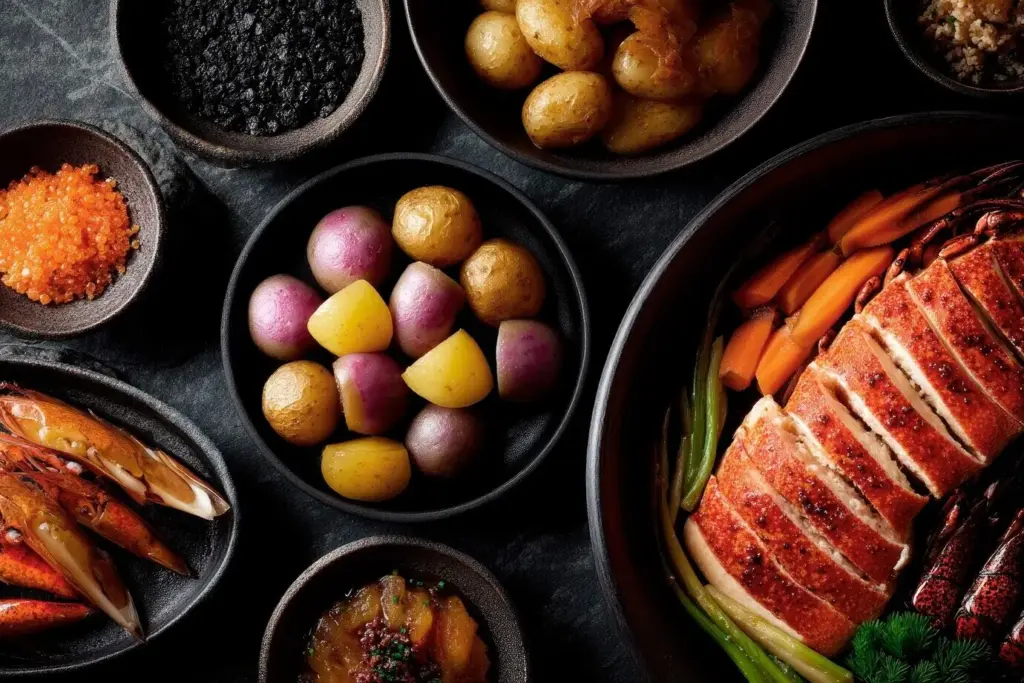
Food, craft, and storytelling anchor memory in powerful ways. Seek Indigenous restaurants, order thoughtfully, and learn the histories behind each dish. Visit artist-run galleries, purchase directly, and credit makers by name. Journal reflections on the train, then share responsibly online with consent and links that uplift the original voices.
Follow your appetite to places like Salmon n’ Bannock in Vancouver or Feast Cafe Bistro in Winnipeg, both Indigenous-owned and accessible from major stations by local transit. Ask about seasonal ingredients, let hosts guide choices, and savor meals as opportunities to learn living histories through flavor, aroma, and conversation.
Choose authentic works from artists who identify their Nation and creative lineage, and request receipts that document origin. Markets, Friendship Centres, and community galleries often sit on transit lines, making it easy for rail travelers to visit, ask questions, commission pieces, and invest in cultural continuity with transparency.
Practical Tips for a Smooth, Sustainable Ride
Trains offer roomy seats, reliable schedules, and lower emissions per kilometer than many alternatives, making them a comfortable way to learn across great distances. Pack light, carry layers, download offline maps, and share itineraries with hosts so meeting points, accessibility needs, and timing align without last‑minute surprises.

Accessibility and Comfort
Reserve accessible seating or sleeper cabins early, and call the rail carrier to discuss boarding assistance, mobility devices, service animals, and dietary needs. Many Indigenous hosts can adapt activities when asked in advance, ensuring everyone participates safely while honoring cultural practices and preserving the integrity of the experience.

Last‑Mile Connections
Stations often sit near transit hubs. Research bus routes, community shuttles, bike shares, and rideshares that operate evenings and weekends. In rural areas, prearrange taxis or private transfers with guidance from your hosts. Share contacts with fellow riders to reduce costs and travel with friendly, community‑minded company.
All Rights Reserved.